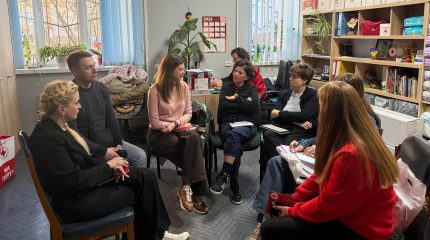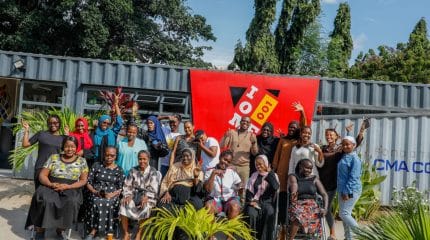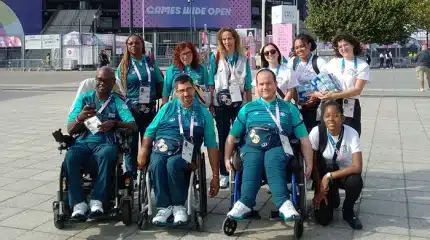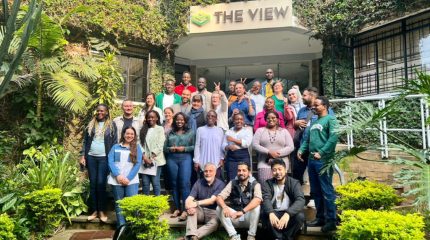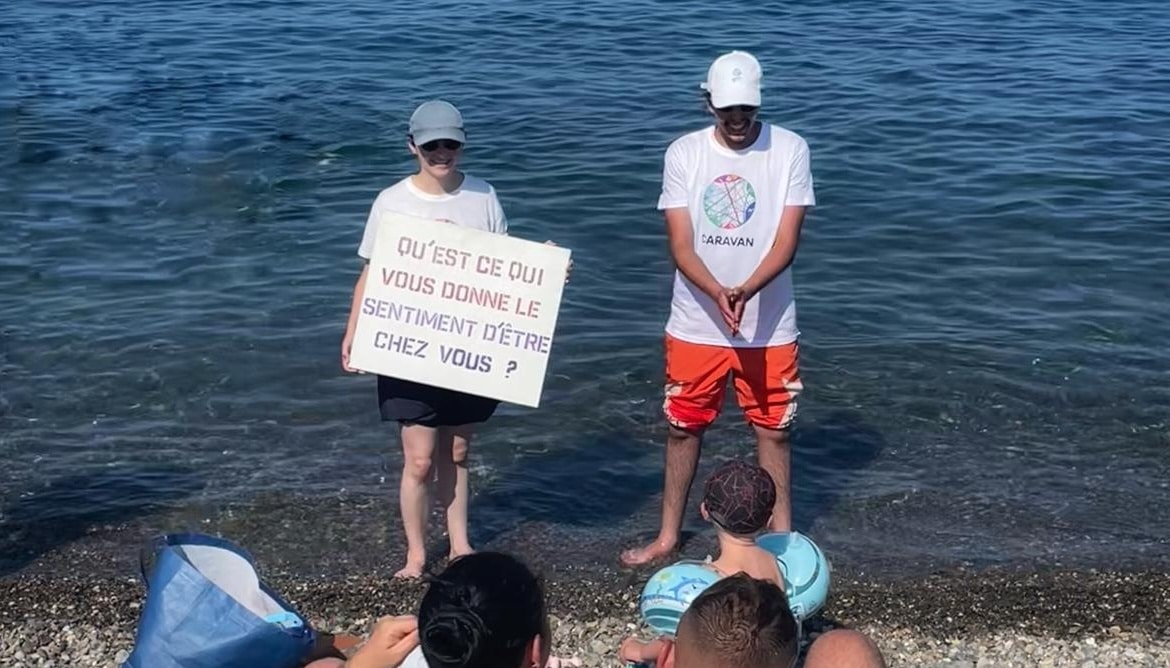
What if innovation were not just about creating new tools, but also about finding new ways to start conversations? Since 2021, the French Red Cross’s Caravane de l’exil has been meeting people in streets, markets and on beaches to open up conversations about migration. In 2026, the initiative crossed the border into Spain for the first time.
When RSI first featured Caravane de l’exil in 2024, the travelling initiative was already bringing games, interactive experiences and conversations into public spaces, reaching people who might not otherwise engage with migration issues.
Two years later, the project has evolved. Its sixth edition reached 3,500 people, with 50 volunteers involved over 15 days. As part of an Erasmus+ project carried out in partnership with Open Cultural Center Spain, the Caravane also made its first journey beyond France. How can a social innovation retain its original spirit when it moves to another country? What needs to be adapted? How can the impact of a conversation be measured? And how can an approach be shared so that others can make it their own?
Charlotte Grimont, Migration Engagement Officer within the French Red Cross National Migration Programme and coordinator of the Caravane de l’exil project, shares the first lessons from this new chapter.
Reaching people who would never attend an event about migration: how does this change the conversation?
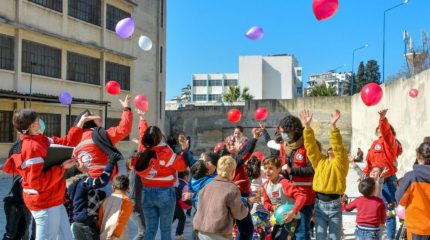
CG: The Caravane aims to engage with the general public, particularly people who are less familiar with migration issues. That is why we choose to set up directly in public spaces, such as streets, beaches and markets, without promoting the activities beforehand.
This approach allows us to meet people who would probably never attend an event specifically about migration. A film screening followed by a discussion, or a conference, often attracts people who are already familiar with the subject. The Caravane also reaches people who would never have chosen to attend an event labelled “migration”.
Our approach is not about campaigning or persuading people. We want to create a space for calm, fact-based dialogue that puts people at the centre. This helps people look beyond their own perspectives, better understand different points of view and choose dialogue over confrontation.
How can we measure the impact of a conversation?
CG: The impact of awareness-raising activities is difficult to assess. Many of their effects cannot be measured precisely. This year, as part of the Erasmus+-funded project, we developed a short questionnaire with three questions to better understand the people we meet and gather their perceptions of the exchange.
| 1. On a scale from 0 to 5, how comfortable did you feel taking part in this discussion? | 0 = Not comfortable at all / 5 = Very comfortable |
| 2. Before this discussion, how would you describe your perception of migration? | Very positive / Positive / Neutral / Negative / Very negative / I prefer not to answer |
| 3. After taking part in the activities, do you feel more empathy towards people with lived experience of migration? | Not at all / A little / Moderately / A lot / Very much |
Beyond the questionnaire, the feedback we receive in the field also provides valuable insights.
Many people thank us for the conversation, explaining that it has helped them see the issue from a different perspective. Others tell us they intend to discuss it with their friends or family.
The Caravane also has a second objective: to raise awareness of its tools and enable others to use them. It provides an opportunity to introduce these activities to Red Cross volunteers and train local teams to facilitate them. These teams can then use the activities in other settings, such as community events, association fairs or team-building sessions. Some people we meet during the Caravane also contact us to organise these activities in their schools or universities.
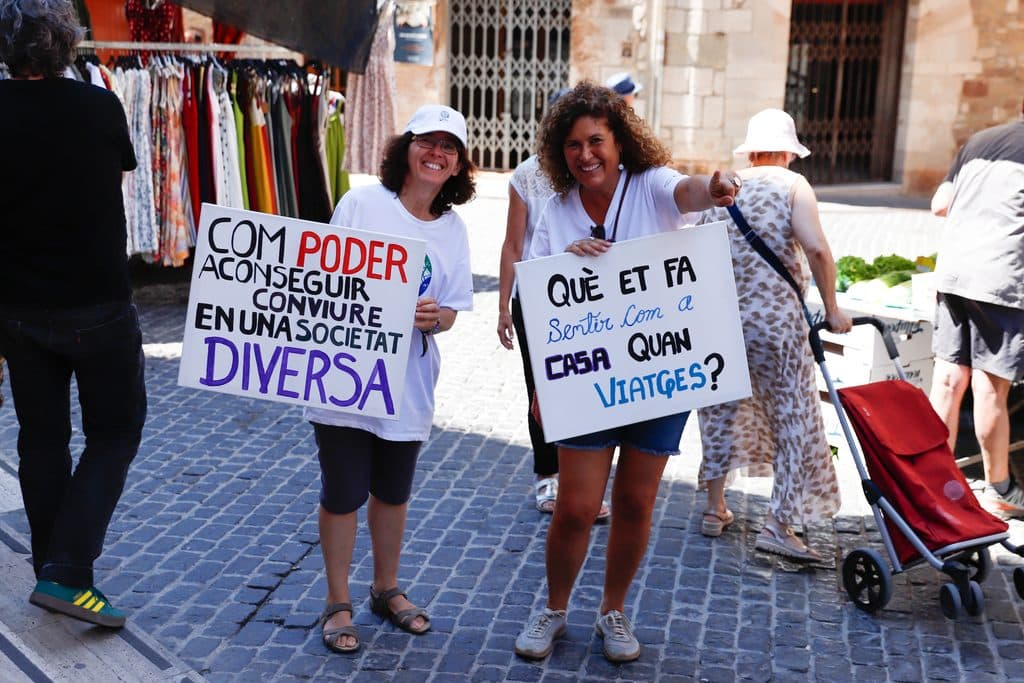
What did taking the Caravane from France to Spain teach you about adapting a social innovation to a new context?
CG: As part of the European project, we developed several guides, including one specifically focused on adapting the activities. Two key considerations emerged:
- Understand the local context to adapt the questions and content of the different activities.
- Pay close attention to language, particularly the connotations of words, which can vary from one language to another.
The essential thing is to preserve the objectives of each activity and the spirit of the Caravane while adapting the content.
Take the new activity “Guess Who?”, designed to highlight individual journeys and people’s resilience. As part of the European project, we chose to feature the stories of people supported by the Red Cross’s Restoring Family Links teams, as these experiences reflect the organisation’s humanitarian work. However, an organisation wishing to adapt this activity to its own context could choose different stories, such as those of people it supports or volunteers involved in its activities.
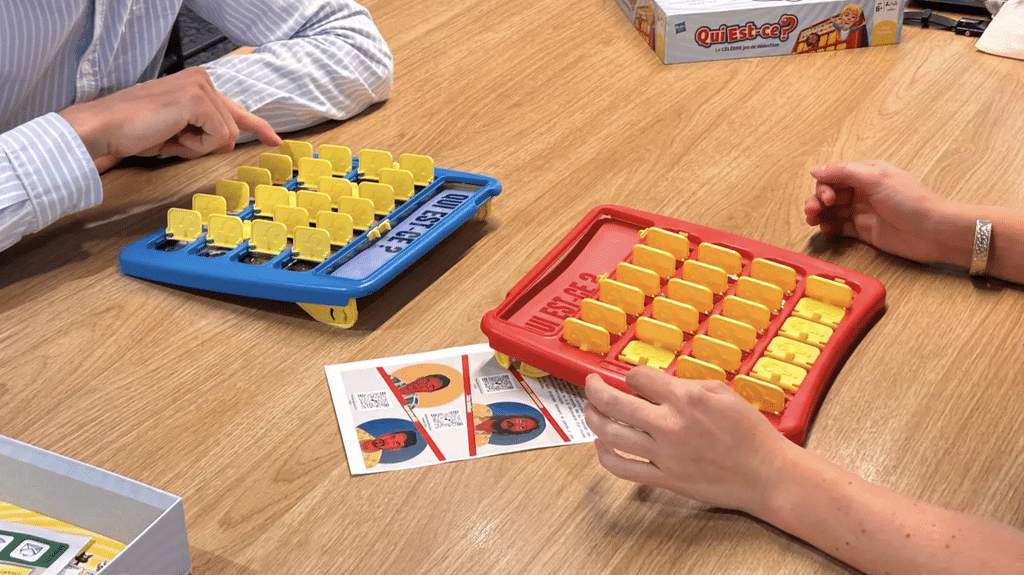
We also found that bringing the Caravane to new locations can help strengthen local connections. Open Cultural Center Spain, for example, chose to organise the Caravane in areas where it already runs projects, providing an additional opportunity to raise awareness of its work.
What is needed for the Caravane to keep travelling and be adapted elsewhere?
CG: Three guides were developed as part of the Erasmus+ project to share the methodology and make it easier for others to adapt.
- The first guide focuses on organising the Caravane. It covers planning, activities, logistics, a typical day’s schedule and ready-to-use materials.
- The second guide focuses on volunteer training. It covers the knowledge needed to facilitate the activities, as well as how to engage with the public: how should volunteers approach passers-by? How should they respond to anti-migrant, racist or discriminatory comments? It also addresses activity facilitation, briefing and debriefing sessions, time management and guidelines for working together.
- The third guide focuses on adapting the activities to another national context. It aims to help interested organisations take ownership of the approach while considering local realities.
The aim is to make these resources as widely accessible as possible, both to National Red Cross and Red Crescent Societies and to other non-governmental organisations (NGOs) interested in learning from the approach.
The three guides will be published on the Erasmus+ platform once the project is completed.
When Social Innovation Crosses Borders
Caravane de l’exil shows how social innovation can travel across borders, with tools and methods that other organisations can adapt to their own contexts. Its experience in Spain also highlights how this process can strengthen local connections and create new opportunities for partner organisations. It invites us to look beyond the number of people reached when measuring impact, and consider the value of dialogue, new perspectives and the connections that emerge along the way.