Description
The Costa Rican Red Cross manages tourist services in several national parks, including parking lots, souvenir shops, and cafeterias. This model helps finance its humanitarian work while creating economic and social opportunities for local communities.
Context
The objective of this call for tenders, launched by the Costa Rican government, is to generate benefits for institutions and community groups, both socially and economically.
In the case of the Costa Rican Red Cross, this model helps cover the operational costs of our humanitarian mission, directly supporting the local population.
The project provides resources to develop various programs currently being implemented in the areas surrounding national parks. We also offer effective tools to communities through training and improved response to incidents. These efforts promote community development.
One of the advantages of National Parks is their ability to provide an immediate response in emergencies, thanks to staff trained in first aid and capable of delivering rapid solutions. Furthermore, the Costa Rican Red Cross provides specialized training to park personnel, thereby strengthening their response capabilities for the benefit of both national and international tourists.
The idea behind this partnership is based on mutual benefits. This is reflected in the regular reports presented to communities to explain how the operations of the committees are financed.
Operations & technical details
Currently, the Costa Rican Red Cross operates vehicle parking services at Poás Volcano National Park and Prusia Forest, which are sectors of the Irazú Volcano and Barva Volcano National Parks. In addition to the parking areas, we also manage the souvenir shops and cafeterias.
We are responsible for covering all operational aspects of these activities as a formal business and must pay a monthly fee to the Costa Rican State for these services.
These services were granted under a concession by the Costa Rican government, and this is the first time they have been awarded in this manner. Previously, there were agreements rather than formal contracts with the operators. Therefore, we have the responsibility to comply with all the terms stipulated in the contract.
Deployment & Impact
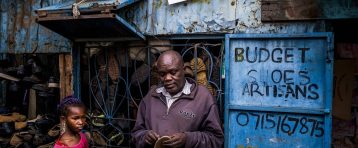
Operating within the National Parks allows us to create new sources of employment, providing income to members of the local community—both through direct hiring within the projects and by supporting small businesses that sell their products in the souvenir shops and cafeterias. Many families are directly benefiting from the salaries earned through activities related to the project.
In addition to this, we also carry out other types of fundraising activities, in coordination with the park administrations.
These additional activities include sporting events such as hikes and running races, which not only promote physical activity among participants but also help raise funds to improve park facilities. A key aspect of these events is that other community institutions, such as schools and development associations, also benefit, as they are given space to sell their products during the activities. Our aim is to involve as many organizations as possible and seek mutual benefit.
The success of this model has been such that delegations from various governments around the world visit us to learn about the initiative and explore how it can be replicated. We have participated in several forums and gatherings where the impact of this idea and its immediate benefits for the population have been recognized.
We have built strong ties with the community, fostering both social and economic development. This synergy between the Costa Rican Red Cross and the Ministry of Environment and Energy enables both institutions to achieve goals that have a direct impact on the population as well as on tourism.