Description
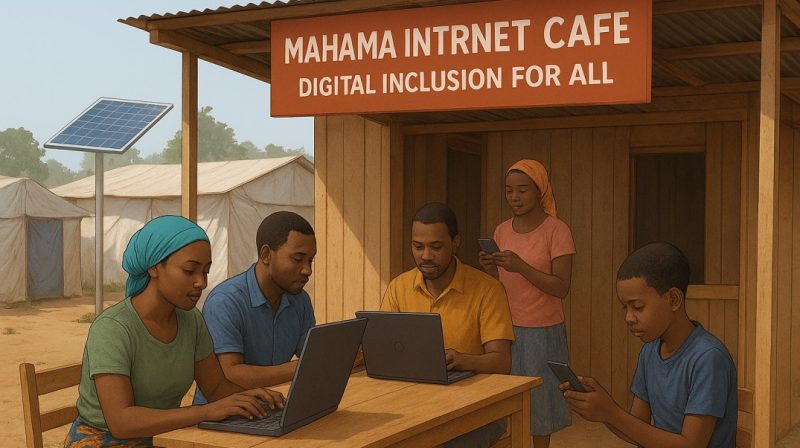
The Mahama Internet Café Project is a refugee-led initiative providing affordable digital access in Mahama Refugee Camp, Rwanda. Powered by sustainable energy, it offers internet services, computer use, printing, and digital literacy training. The project bridges the digital divide, enabling refugees to pursue education, employment, and entrepreneurship while fostering inclusion, communication, and community empowerment in one of Africa’s largest refugee settlements.
Context
Mahama Refugee Camp, located in Rwanda’s Kirehe District, is home to more than 48,000 refugees, the majority fleeing conflict and instability in neighboring countries. While basic needs such as food, shelter, and health are addressed by humanitarian agencies, digital inclusion remains a critical and unmet need. Refugees in Mahama face a digital divide that limits their access to education, employment opportunities, information, and essential communication with the outside world.
Studies show that more than 80% of refugees worldwide live in areas with mobile network coverage, yet fewer than 20% have regular access to affordable internet. In Mahama Camp, the situation reflects this global disparity: only a small fraction of residents own digital devices, and even fewer can afford data packages. This exclusion deepens vulnerability, reduces self-reliance, and prevents refugees from participating in the digital economy.
Operations & technical details
The Mahama Internet Café Project is designed as a sustainable, community-based digital hub within Mahama Refugee Camp. Its purpose is to deliver reliable, affordable, and inclusive access to the internet and related services for camp residents, while building local capacity in digital literacy.
Infrastructure and Technology
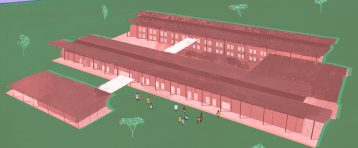
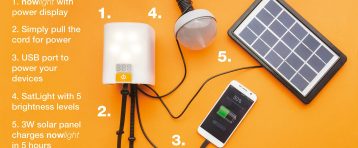
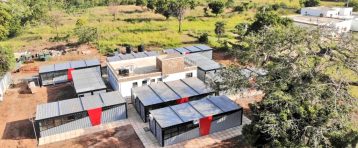
The café will be established in a modest but functional structure built with local materials, ensuring low construction and maintenance costs. Power will be supplied primarily through solar panels, backed by grid electricity when available, to guarantee uninterrupted service and reduce environmental impact. The facility will host desktop computers, laptops, and printers, connected through a local area network (LAN) and supported by Wi-Fi routers for both on-site and limited hotspot access.
Services Offered
The café will provide:
Affordable access to computers and the internet.
Printing, scanning, and photocopying services for education, administrative, and professional purposes.
Digital literacy training programs, including basic computer skills, internet navigation, and safe online practices.
E-learning support by facilitating access to online courses, educational resources, and exam preparation tools.
Entrepreneurship support, enabling refugees to cre
Deployment & Impact
The Mahama Internet Café Project was conceived as a practical response to the lack of digital access in Mahama Refugee Camp, one of the largest camps in Rwanda with over 48,000 residents. Deployment began with a feasibility study to assess community needs, technical requirements, and sustainability models. This study highlighted strong demand for affordable internet, printing, and digital literacy services, particularly among youth and students.
Deployment Approach
The project’s initial phase involved setting up a pilot café with a small number of computers, Wi-Fi connectivity, and basic printing equipment. Solar energy solutions were integrated to reduce dependency on the grid and ensure service continuity. Refugees with IT skills were recruited and trained to manage operations, while community consultations ensured that services matched real needs. Partnerships with local NGOs and telecom providers were sought to secure technical support and affordable data packages.
Social Impact
Even at the pilot stage, the café generated immediate and measurable impact:
Education: Students gained access to online learning materials, research platforms, and digital exam preparation resources. Within the first three months, over 200 students regularly used the café for schoolwork.
Employment and Livelihoods: Young adults were able to create CVs, apply for online jobs, and explore freelance opportunities. A group of 50 users reported improved chances of finding work or training opportunities.
Communication: Families were reconnected with relatives abroad, reducing isolation and improving psychological well-being. More than 300 users accessed communication platforms such as email, WhatsApp, and video calls in the first quarter.
Community Empowerment: By employing refugee staff to manage the café, the project created new livelihood opportunities inside the camp and built a sense of ownership and pride.
Long-Term Potential
The café’s model is designed to be scalable. As usage grows, revenues from affordable service fees will sustain operations and enable reinvestment in additional equipment, training, and outreach programs. The project also provides a replicable template for other refugee settlements facing similar digital exclusion.
By combining access, skills development, and community participation, the Mahama Internet Café Project demonstrates how digital inclusion can foster education, livelihoods, and resilience, creating long-lasting social impact in humanitarian settings.