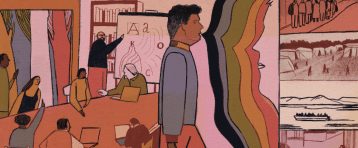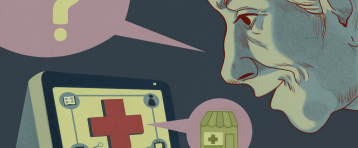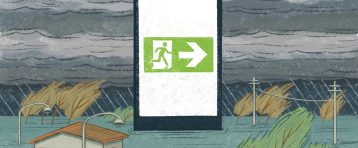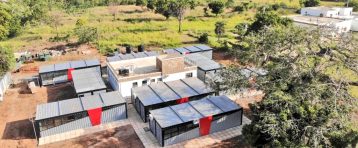
The Citizen Preparedness Village is a mobile, interactive, and modular learning installation. Designed by the French Red Cross, it aims to equip citizens from all walks of life with the knowledge to understand local risks and learn essential life-saving actions to take in the event of a major disaster.
Description
In France, 74% of citizens feel exposed to major disaster risks, ranging from severe flooding and wildfires to industrial accidents and heatwaves. Yet only 37% say they know the appropriate safety measures to take in a crisis. In France, as elsewhere in the world, extreme weather events and emergency situations are becoming more frequent, while public preparedness levels remain relatively low.
Until now, public awareness efforts have relied on formal training sessions or traditional static brochures, which often struggled to reach a wider audience or ended up raising anxiety without encouraging proactive behavior. The French Red Cross recognized the need to shift the narrative from fear to action. The Citizen Preparedness Village bridges this gap by offering a positive, interactive experience where learning about risk becomes engaging, accessible, and concrete for everyone.

Operations
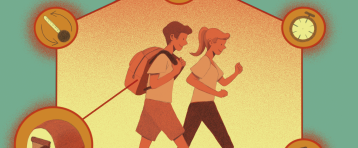
The Citizen Preparedness Village takes the form of an immersive journey structured around six key stages:
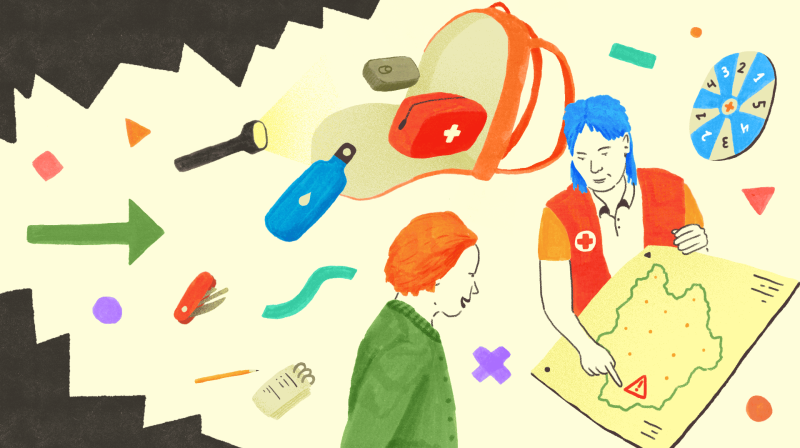
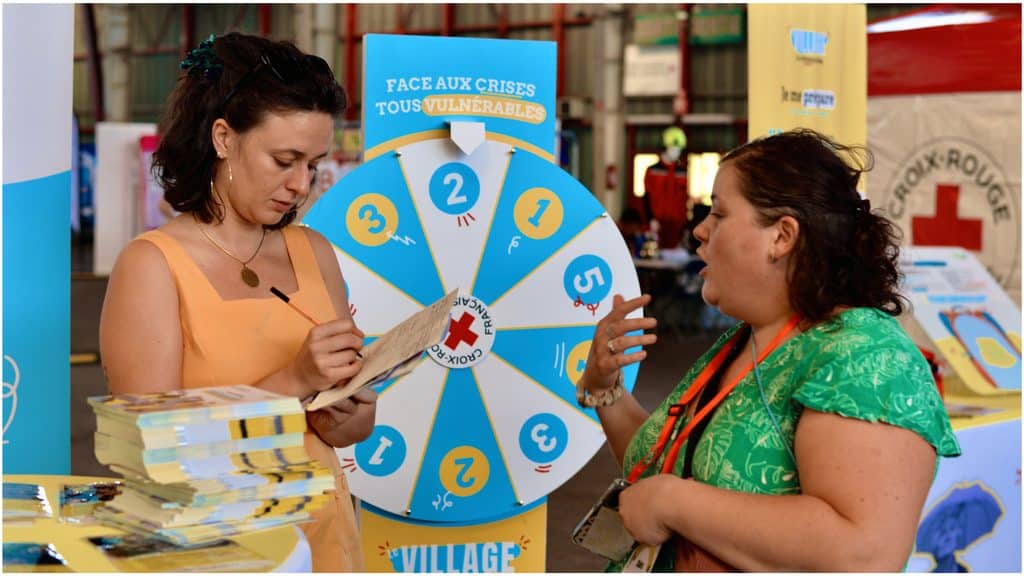
- “The Wake-Up Call”: Participants spin a wheel called the “Crisis Wheel” to randomly draw a disaster scenario relevant to their region’s threats. This sets the tone for their journey, which opens with a simple question: “What would you do if this scenario happened right now?”
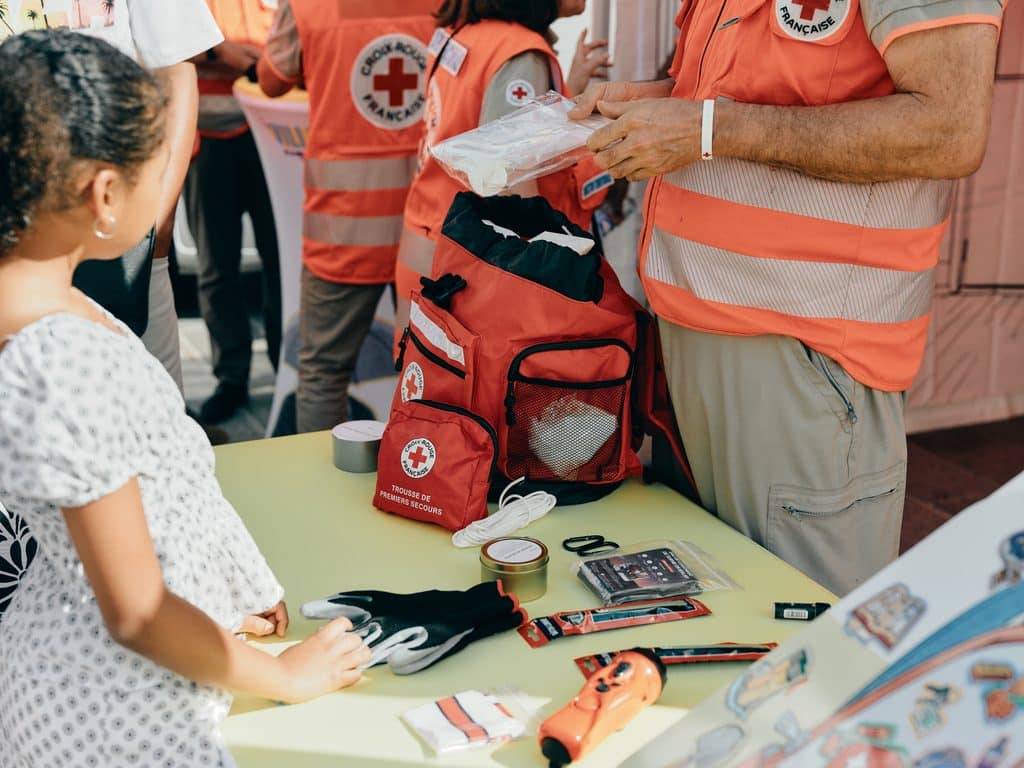
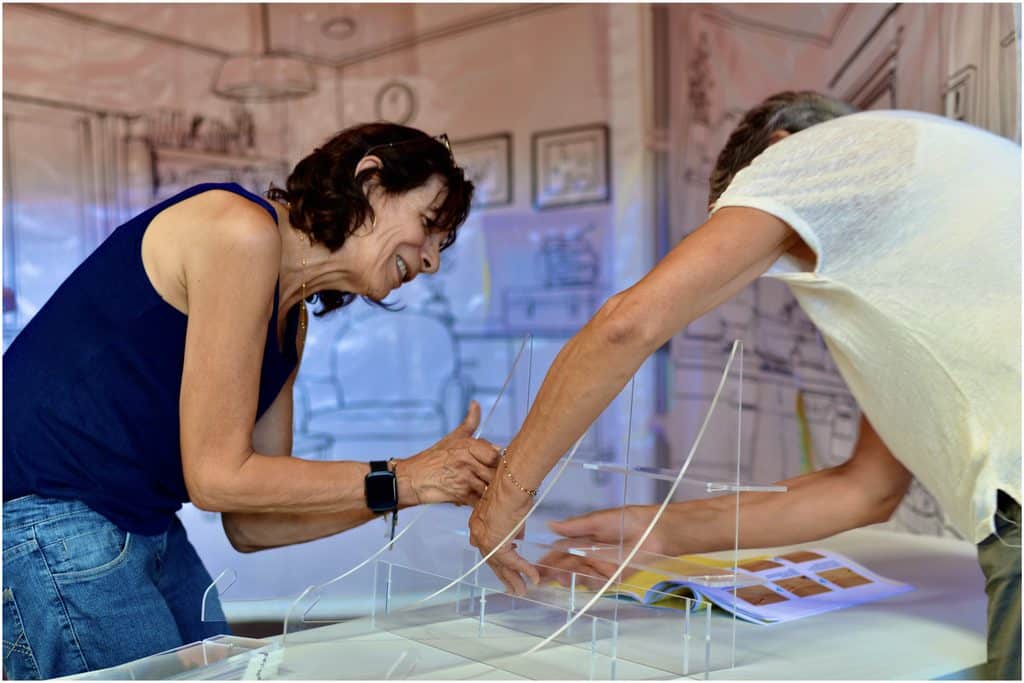
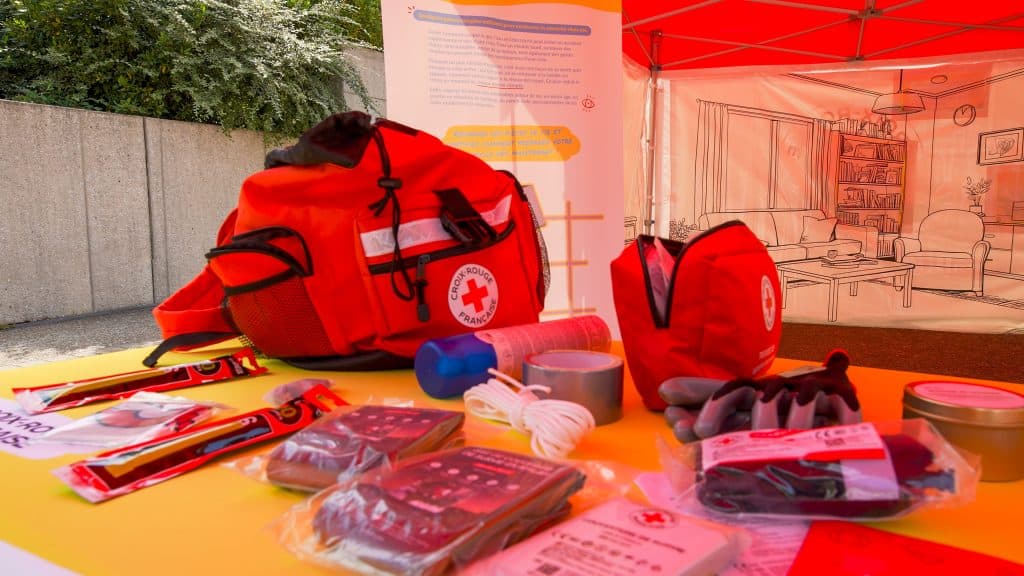
- “Getting Ready”: Participants then learn how to pack an emergency kit (Catakit) using magnetic learning tools, and discover simple ways to secure their homes before and during a crisis.
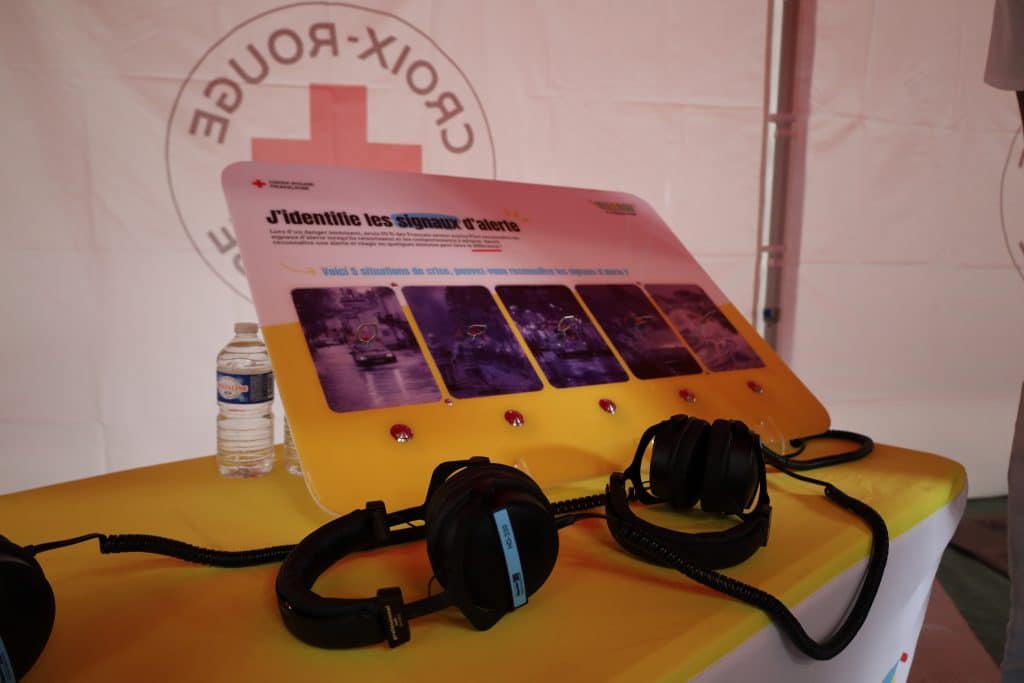
- “Staying Safe”: Through sound simulations and audio quizzes, participants practice recognizing official warning sirens and emergency signals.
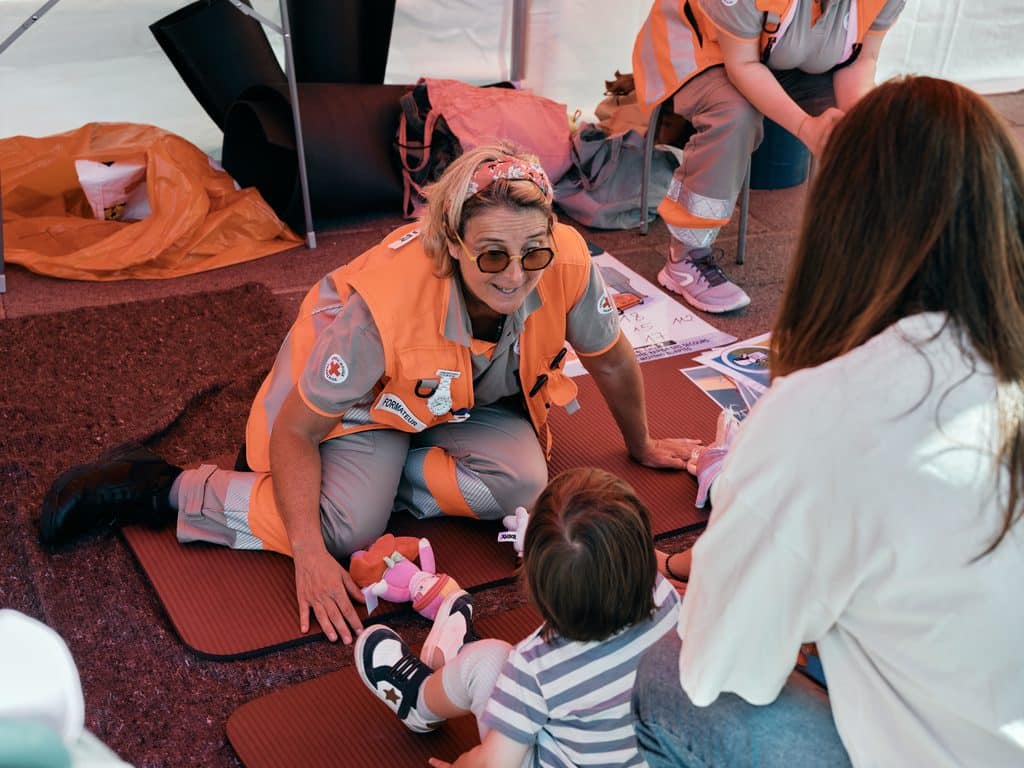
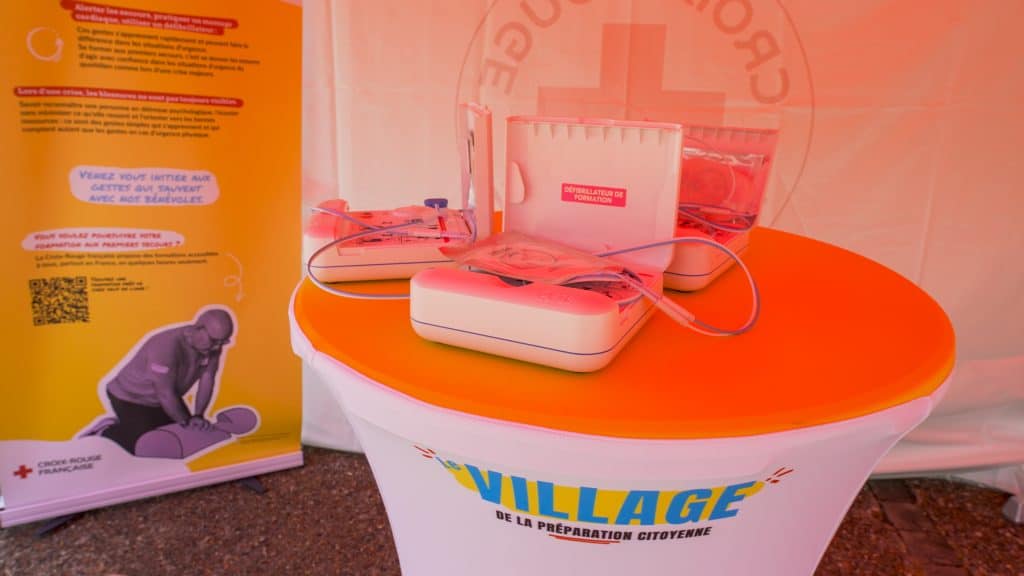
- “Building Skills”: Through hands-on introductory workshops led by volunteers, participants are trained in basic life-saving actions.
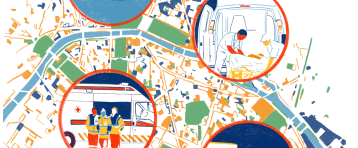
- “Mapping the Risks”: Localized maps help participants pinpoint the specific hazards in their town or department.
- “Taking Action”: Participants are invited to choose at least one concrete step to take at home in the weeks that follow, and learn about volunteering opportunities.
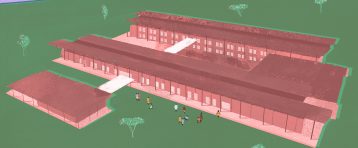
The full visit takes about an hour, but the format remains fully adaptable to local contexts: the Village serves as a base on which local branches can add their own modules or activities. In terms of logistics, the entire setup, including three tents, interactive display panels, and activity materials, fits into a single light utility vehicle, allowing for smooth regional transport. A lighter, territorial kit is also available for smaller local events.
The sessions are run by local Red Cross volunteers, who can be trained to facilitate the activities in just a few hours.
Funding
The initial design and prototyping phase was funded and supported internally by the French Red Cross, through collaborative development work between its national departments. The European Social Fund (ESF+) also helped finance part of the project’s design. As the Village is rolled out across the country, local Red Cross branches can generate revenue from the initiative by offering it as an event service to municipalities, private partners, public institutions, and educational establishments.
Deployment & Impact
The Citizen Preparedness Village was officially launched at the French Red Cross General Assembly in June 2026. The national rollout plan runs from mid-2026 through the first quarter of 2027, with three new regional kits coming into service each quarter to cover all regions of France. Tailored co-design workshops are also underway to adapt the content to the specific needs of France’s overseas territories.
Key figures
74%
of citizens feel exposed to major risks in France.
37%
of citizens actually know how to react during a crisis.
6
interactive steps forming a complete 1-hour immersive pathway.
Ecosystem & collaboration
- French Red Cross Innovation Team: Co-designed the content by drawing on expertise in territorial innovation, emergency response, and public awareness-raising.
- Public partners: Ranging from local municipalities to national bodies (the National Assembly), which incorporate the Village into citizen risk-prevention days and public exhibitions.
- French Red Cross Local Branches: Trained to facilitate the installation, they store the equipment on-site and can develop additional modules of their own.
Use cases & examples
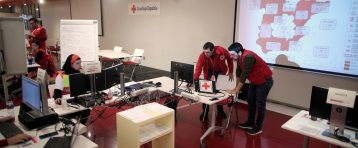
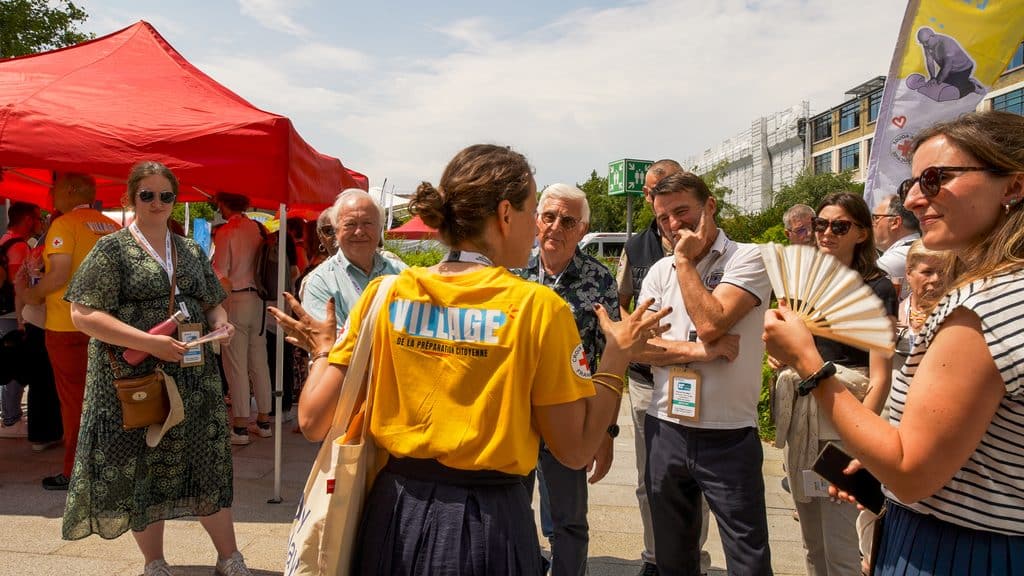
At the French Red Cross General Assembly, three prototypes of the Village were tested by nearly 400 national and local elected representatives of the association, facilitated by 30 trained volunteers. The tool is designed to be deployed at events and can accommodate large numbers of visitors in almost any type of setting.
Future collaboration opportunities
- For National Red Cross and Red Crescent Societies: The modular structure and its learning tools (interactive maps, audio quizzes, crisis wheels) can be easily translated and adapted to the local risk profile of any country.
What are you key learnings ?
Change the Narrative: Move away from anxiety-inducing messaging; adoption increases when risk preparation is framed as a positive, empowering, and collective activity.
Design for Flexibility: Create modular formats that fit varying schedules (from 15 to 60 minutes) and different logistics capacities (from full regional kits to light local setups).
Turnkey Facilitation: Ensure onboarding is fast and simple so that local volunteers and non-expert staff can easily facilitate the activities after a short briefing.
From idea to action !
The Village can serve as a source of inspiration without being replicated exactly: its tools and approach can be adapted to the risks, audiences, and resources of any given territory.
Start small and test. Identify one or two priority risks and try out a few interactive activities at a local event: recognizing a warning alert, packing an emergency kit, or learning key safety reflexes. Feedback from participants and volunteers will then help you gradually adapt and expand the experience.
Build the right partnerships. Identify municipalities, risk management authorities, and other local actors who share your goals for community preparedness. Involve them from the pilot phase onward to adapt the initiative to local realities and explore opportunities for co-financing a mobile kit.
Photos © Andrea PRADOUX / Juliette GILLOUX / French Red Cross