“By paying your parking fee, you help the Red Cross save lives”.
The Costa Rican Red Cross operates visitor services like parking lots, souvenir shops, and cafés within national parks through official government agreements. This model operates as a formal business, generating resources for the organisation. The generated revenue helps fund humanitarian operations, strengthen emergency response within the parks and surrounding areas, and provide socio-economic support to local communities.
Description
Costa Rica’s protected areas are a major part of the country’s tourism economy. A national economic valuation estimated that national parks and biological reserves generated USD 1.9 billion in economic benefits in 2018, 81.7% of which were linked to tourism. Their importance continues to grow: Costa Rica’s protected areas recorded nearly 3 million visits in 2025, the highest level on record.
The Costa Rican government sought ways to generate social and economic benefits for local communities and institutions. The Costa Rican Red Cross saw this as a chance to fulfil two missions: cover the operational costs of its humanitarian mission and contribute to local development1.
Before this, agreements between park managers and the Red Cross were often informal and lacked clear rules. This new approach makes everything official and professional, helping ensure the project can last for a long time. It creates a reliable source of income and empowers the community by offering jobs, training, and a chance to participate in the local economy. It also makes these areas more resilient and crisis-ready by providing first-aid training to residents and improving assistance for park visitors.
Operations
The Costa Rican Red Cross manages these services like a professional company, paying a monthly fee to the government. Their work includes:
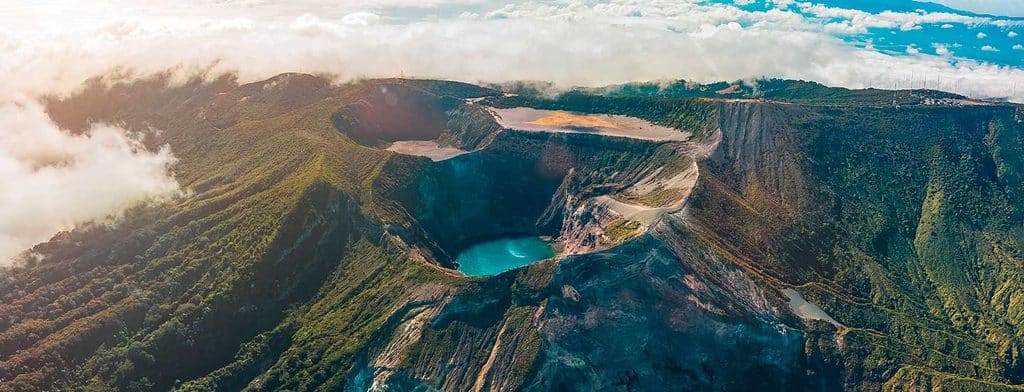
- Parking Management: Handling parking at Poás Volcano, Irazú Volcano, and the Prusia Forest.
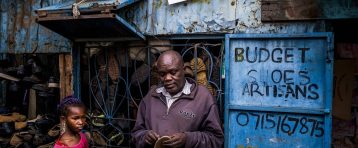
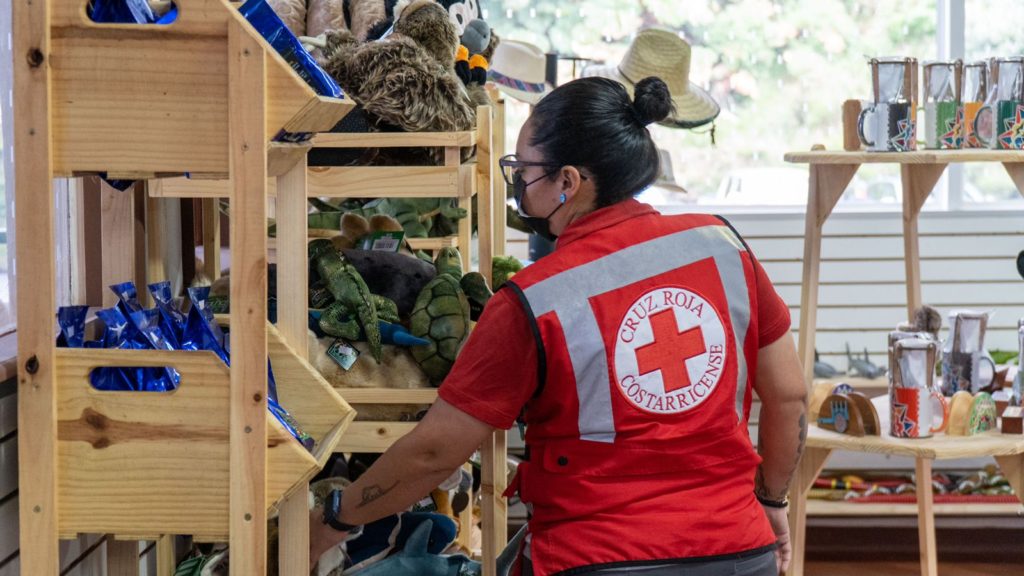
- Shops and Cafés: Running gift shops and cafés that sell high-quality local products made by local artists and businesses, helping them sell their products to international tourists.
- Community Events: Organising activities like races or community walks. During these events, local schools and neighbourhood groups are invited to sell their own products to earn extra money.
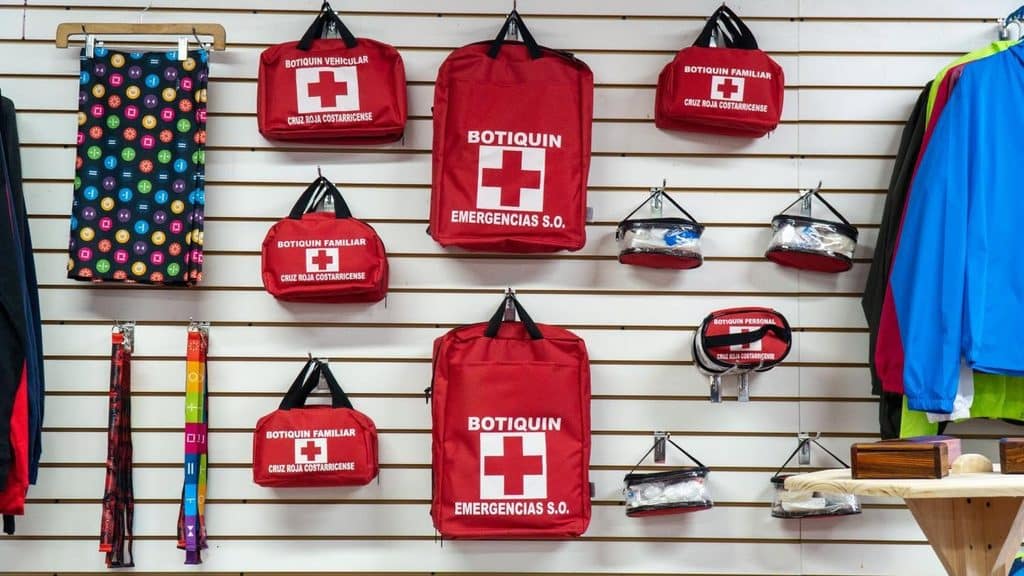
The benefits that the Costa Rican Red Cross obtains from these income-generating activities are then reinvested into humanitarian programmes, staff training and emergency response strengthening.
For example, thanks to the money generated from the Poás site, the Regional Committee was able to purchase new ambulances, fund specialised rescue training for its staff, and acquire equipment for various types of rescue operations, including water rescues, collapsed structures and vehicle incidents.
These funds are also what make activities like races or community walks possible, allowing communities to come together and maintain a strong link with the Red Cross.
Local communities directly benefit from the wages generated and are a core part of this programme through the sale of their products. They are also regularly kept informed about operations and finances through transparent reporting.
Funding and Business Model
The project at Poás Volcano began small, with a simple exchange where the Red Cross cared for parked vehicles in return for donations. Over time, this grew into a formal bidding process where the organisation competes for the right to manage the site.
The newer project around Irazú was started using the committee’s own funds, along with support from local private companies and the Cartago Regional Center.
Deployment & Impact
Since the start of these agreements, the initiative has achieved several milestones:
- Financial stability: The Red Cross can now cover part of its daily operational costs, meaning it relies less on outside funding. The generated funds also benefit regions that do not directly manage the national parks.
- Improved preparedness: Emergency response in national parks has improved thanks to better equipment and more training. Red Cross regional branches have also been able to acquire specialised equipment, strengthening their capacity to support national emergencies.
- Strengthened economic autonomy: Local residents have found work through these services. Sales points and events have also encouraged local economic activity and micro-entrepreneurship.
- Community communication: Communities gather during events and interact with the Red Cross, strengthening its presence and relationships with local communities and public institutions.
- Improved management: The Red Cross has contributed to better signage and the maintenance of facilities in areas of the park under its administration.
Key figures
27 years of experience
turning everyday visitor services into resources for humanitarian action.
Parking · Cafés · Shops
a growing range of diversified services.
2 sites, 1 model
a proven approach to generating revenue.
GENERATED RESOURCES HAVE HELPED FUND
🚑 New ambulances
🛟 Specialised rescue equipment
🎓 Specialised rescue training
🤝 Support to other Red Cross committees
Partners and stakeholders
Success depends on an ecosystem that mobilises the principal stakeholders involved in the project:
- Government and Ministry of Environment and Energy: They provide the official permission to work in the parks and help align the project with nature conservation, tourism, and community development goals.
- Park Administrations: The teams help with day-to-day logistics and planning for special events.
- Local Institutions: Schools and community associations join events and benefit from the income they generate.
Opportunities for Future Collaboration
The Costa Rican Red Cross has developed a strong presence in the country’s tourism sector through these activities. This recognition may attract private companies involved in tourism development, as well as social organizations such as PINES (People In Need), development associations, education boards, and community committees..
Advice for Others
Strategic site mapping: Identify high-traffic areas or strong income-generating activities where a public service gap exists and present a professional solution to the authorities in charge.
Market and impact studies: Conduct thorough feasibility studies that balance operational efficiency with clear community benefits.
Build and coordinate strong partnerships: Identify the most strategic partners and ensure there is clear communication among all the stakeholders involved at all times.
If starting over, the project owners recommend negotiating lower licensing fees to ensure a higher percentage of resources remains available for humanitarian reinvestment.
From idea to action !
Generating sustainable income is an important challenge for National Societies. This solution shows how managing existing services can generate revenue to support humanitarian activities, while also creating opportunities to interact with and support local communities.
To adapt it to your context, ask yourself: what public-interest activities or services are currently lacking in my area?
What’s the smallest version of this idea you could try? Start small by partnering with a city, local authority or community and testing one service or activity on a limited scale.
Who else could you talk to about this? Regional and local branches may already be aware of opportunities in their area. Public authorities, local businesses and community organisations could also be valuable partners.
[1] Moreno-Díaz, M.L., Universidad Nacional de Costa Rica (CINPE), 2025.